.svg)
Understanding Customer Behavior Analysis in Digital Marketing
An introduction to customer behavior analysis in digital marketing, exploring how organizations use behavioral data to understand user interactions, improve digital experiences, and refine marketing strategies.
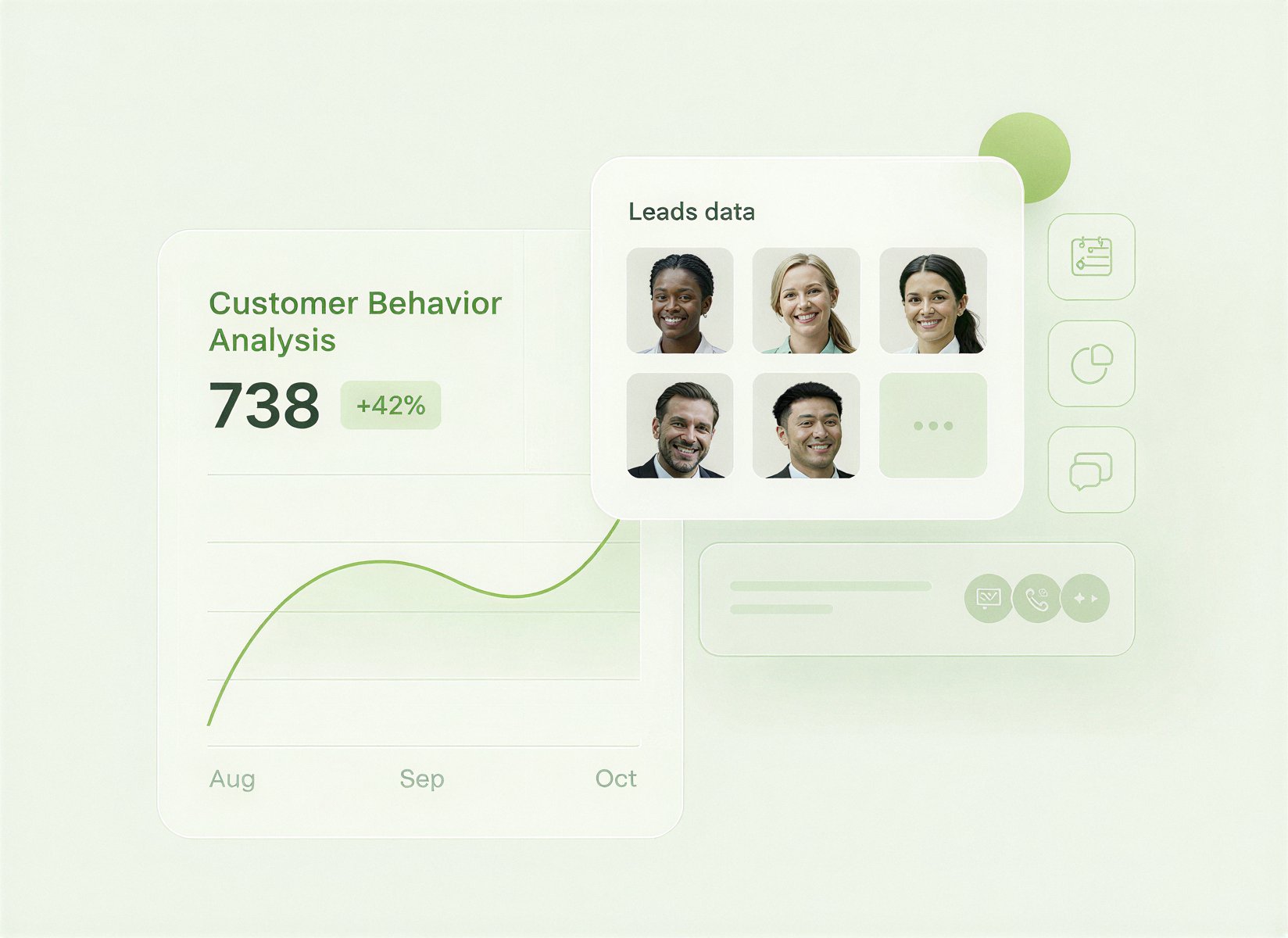
As organizations interact with customers across websites, applications, social platforms, and digital media, understanding how users behave has become an important part of marketing analysis.
Customer behavior analysis focuses on observing and interpreting how people interact with digital environments. By studying these interactions, organizations can gain insights into how customers discover products, evaluate information, and make decisions.
Understanding these patterns can help companies improve communication, refine user experiences, and better understand the factors that influence engagement.
What Is Customer Behavior Analysis?
Customer behavior analysis refers to the process of examining how users interact with digital products, services, and communication channels.
This analysis may involve studying how visitors navigate websites, which content attracts attention, and where users encounter friction during their journey.
By observing behavioral data, organizations can identify patterns that reveal how customers move through different stages of interaction.
Key Sources of Behavioral Data
Customer behavior analysis typically relies on several types of data collected from digital environments.
Website Interaction Data
Analytics platforms can track how visitors navigate through a website, including which pages they visit, how long they stay, and which actions they complete.
Product Usage Data
For digital products and platforms, behavioral insights may include how users interact with specific features, how often they return, and how engagement evolves over time.
Engagement Metrics
Metrics such as click rates, content interaction, and session duration help organizations understand which types of content attract attention and encourage engagement.
Customer Journey Data
Mapping the customer journey allows organizations to understand how different interactions contribute to decision-making.
Identifying Patterns in User Behavior
Behavioral analysis often reveals recurring patterns that can help organizations better understand their audiences.
For example, teams may observe:
- which pages users visit before completing a purchase or signup
- where users tend to leave a website or stop interacting
- which types of content encourage deeper engagement
- how different traffic sources influence user behavior
These insights help organizations identify both successful interactions and areas where improvements may be possible.
Behavioral Analysis and User Experience
Understanding customer behavior also supports improvements in user experience.
When organizations identify friction points — such as confusing navigation, unclear messaging, or complicated processes — they can adjust the digital experience to make interactions easier for users.
Improving the clarity and usability of digital environments can often influence both engagement and conversion behavior.
The Role of Experimentation
Behavioral insights often lead to experimentation. Once organizations identify areas for improvement, they may test different approaches to determine which changes produce better outcomes.
Experiments might involve adjusting messaging, redesigning certain pages, or simplifying user flows. Over time, testing helps organizations refine digital experiences based on evidence rather than assumptions.
Customer Behavior in an Evolving Digital Landscape
Digital environments continue to evolve as new platforms, devices, and communication formats emerge. These changes influence how customers discover information and interact with brands.
Organizations that monitor behavioral patterns can adapt more effectively to these changes and maintain a better understanding of their audiences.
Customer behavior analysis therefore remains an important part of understanding how digital interactions influence decision-making.

© 2026 Inventello Limited. All rights reserved.
FLAT/RM A 12/F ZJ 300 300LOCKHART RD WAN CHAIHONG KONG
Strategy • Acquisition • Conversion • Retention • Analytics
• Strategy • Acquisition • Conversion • Retention • Analytics
• Strategy • Acquisition • Conversion • Retention • Analytics